

A report examining the impact of the Israeli genocide on the Gaza Strip and the challenges faced by diabetes patients, with unprecedented escalation of health, psychological, and nutritional crises.
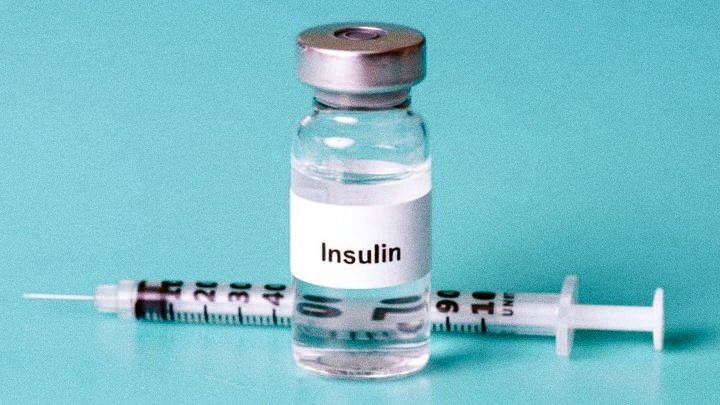
The Gaza Strip represents a stark example of chronic health crises under continuous blockade and recurring wars. Since the Israeli military assault on the territory in October 2023, diabetes patients in Gaza have become an indirectly targeted group, facing severe shortages of essential medications, especially insulin, alongside nutritional disruptions and the collapse of healthcare services, compounded by increasing physical and psychological pressures caused by the war.
According to reports from the World Health Organization and the Palestinian Ministry of Health, there are between 71,000 and 80,000 diabetes patients in Gaza, including children and the elderly, making them highly vulnerable to serious health complications and indirect deaths.
This health crisis was not entirely unexpected, as Gaza’s healthcare infrastructure had long been weak due to the blockade in place since 2007. Shortages of medical equipment and essential drugs were common even before the war. However, the current conflict has escalated the healthcare crisis to catastrophic levels, affecting all age groups, particularly children and older adults.
Diabetes in Gaza Before and After the War
Before October 2023, diabetes was one of the leading causes of death among non-communicable diseases in Palestine, accounting for up to 8 percent of total deaths. Type 2 diabetes was prevalent among adults over 40, with a rate of 15.7 percent among refugees, while type 1 diabetes was increasingly observed in children. With the onset of the war, the healthcare system collapsed by nearly 80 percent, with dozens of hospitals and health facilities destroyed, disrupting essential services for approximately 341,000 patients with chronic conditions, including diabetes, and significantly increasing indirect mortality.
A report published in the journal Conflict and Health noted that more than half of diabetes patients lost access to their regular treatment, leading to worsening symptoms and higher risk of severe complications. The crisis extended beyond medication shortages to include food scarcity and essential medical supplies such as glucose testing strips and monitoring tools, making disease management nearly impossible.
Impact of the War on Treatment and Diabetes Management
The war completely disrupted the medical supply chain, with the number of trucks entering Gaza falling dramatically and at times ceasing entirely. This directly affected diabetes patients who require daily insulin doses and continuous blood sugar monitoring. Insulin became critically scarce, and the crisis persisted into November 2025, creating a situation described as a “slow death” for patients reliant on daily medication. Many had to use expired insulin pens or reduce doses, increasing the risk of diabetic coma and severe complications.
The shortage of glucose testing strips made disease monitoring extremely difficult, especially for children who require precise care to prevent sudden drops in blood sugar. According to World Health Organization reports, nearly 40 percent of patients with chronic conditions did not receive their essential medications, with hundreds of deaths linked to insulin shortages by mid-2025.
Nutritional Disruptions and Food Insecurity
Proper nutrition is essential for diabetes management, yet the war has triggered an unprecedented food crisis in Gaza. Over half of the population faces emergency-level food insecurity, while millions experience severe food shortages. Children under two suffer from acute malnutrition, complicating blood sugar control. Adults face chronic hunger, which worsens health complications for diabetes patients, including severe hypoglycemia, immune system disorders, and increased risk of early mortality.
Malnutrition has had a particularly severe impact on children with type 1 diabetes. Data indicates a significant rise in hypoglycemic episodes and several deaths among children due to inadequate nutrition and medical care, highlighting the close link between war, food scarcity, and the management of chronic diseases.
Health Complications Resulting from the War
Without consistent treatment, the risk of serious health complications has increased sharply. Children with type 1 diabetes struggle to control their blood sugar levels, and cases of diabetic ketoacidosis and coma have risen. Secondary illnesses, such as severe respiratory infections and diarrhea, have also increased, worsening the condition of patients with chronic diabetes. Ministry of Health reports indicate that a significant portion of deaths in Gaza are related to chronic illnesses, including diabetes, due to the lack of treatment and essential medical supplies.
Psychological Impact on Diabetes Patients
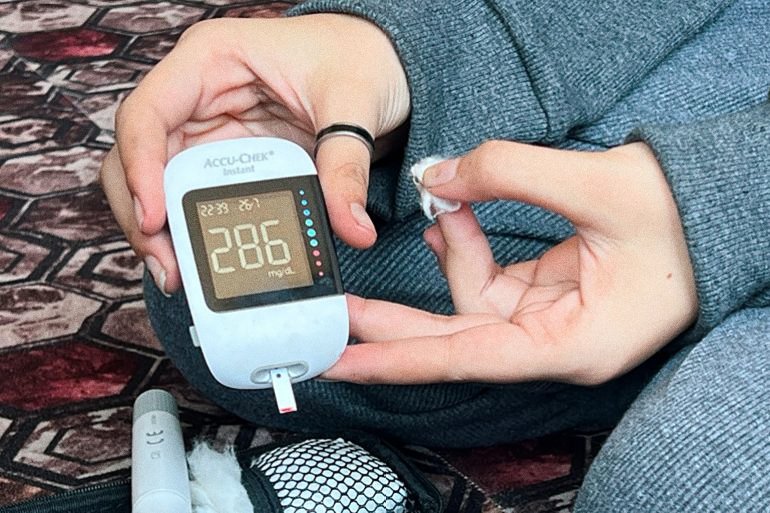
The war has severely affected the mental health of diabetes patients, directly impacting disease management. Approximately 65 percent of patients experience anxiety and depression, which reduces adherence to medication and regular glucose monitoring. Forced displacement of millions has cut off access to healthcare, while patients face untreated injuries and dangerous living conditions, causing simultaneous deterioration in physical and psychological health.
Studies show that chronic psychological stress increases insulin resistance and impairs natural insulin secretion, causing sharp fluctuations in blood sugar levels. Children and mothers have been especially affected, with rising depression rates among mothers and an increase in nocturnal hypoglycemic episodes in children due to nightmares and fear of bombardment.
Worsening Cases and New Onset Diabetes
The war has not only worsened conditions for existing patients but has also led to new cases of type 2 diabetes, particularly among individuals previously unaffected. Field studies show that the incidence of new type 2 diabetes has risen to more than eleven times the normal prewar rate. Existing patients have seen average HbA1c levels rise to critical levels, with tenfold increases in diabetic ketoacidosis cases compared to prewar periods.
Psychological trauma from losing relatives, repeated displacement, and witnessing the ongoing destruction of homes and communities has been a major factor in deteriorating patient health. Compliance with treatment has decreased significantly, with many patients abandoning daily glucose monitoring due to despair and depression.
Children with type 1 diabetes are the most vulnerable. Nighttime hypoglycemic episodes caused by psychological trauma and daily food shortages have become common, resulting in the deaths of several children due to lack of supervision and care. Children also face the loss of friends and relatives while living in unstable environments, increasing psychological stress and compounding the effects of the war on their physical and mental health.
Humanitarian Efforts and Challenges
Despite the efforts of international organizations such as the Red Crescent, shortages of medication and medical supplies meet only a fraction of the needs. Evacuations of patients with chronic illnesses remain extremely limited, leaving thousands awaiting support and care. The destruction of hospitals and health facilities, along with attacks on medical warehouses, has exacerbated the crisis, emphasizing the urgent need for international intervention.
Addressing the health catastrophe for diabetes patients in Gaza requires immediate action on multiple fronts. Humanitarian corridors must be opened to ensure delivery of medications and food, and the most vulnerable patients must be evacuated to receive adequate care. Support for psychological and nutritional care through international organizations is essential to prevent further deterioration, alongside international pressure to stop attacks on hospitals and medical facilities in accordance with international humanitarian law.
Conclusion
The suffering of diabetes patients in Gaza is not merely a health crisis; it is part of a broader humanitarian catastrophe encompassing food, medication, and psychological care. The ongoing genocide and its effects increase the risk of indirect deaths and threaten an entire generation of children and adults. The international community faces an urgent ethical and legal challenge to save these patients, who have become silent victims of an unprecedented health crisis, requiring immediate intervention to preserve their lives and protect their future.